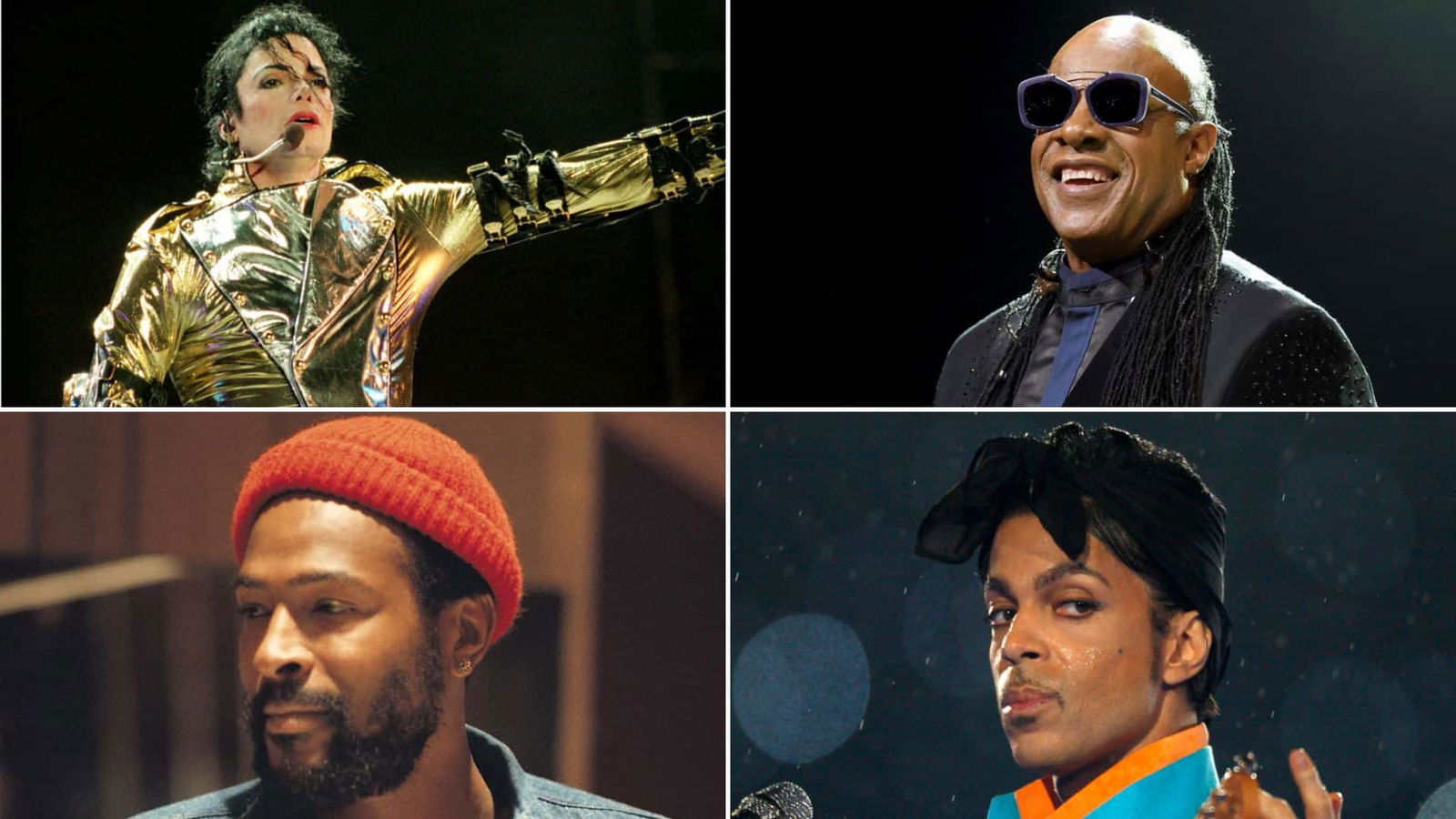
The male vocalists of African descent have often wielded their baritone or bass voices as potent instruments of cultural expression, emotional resonance, and artistic innovation. These voices not only symbolize musical excellence but also encapsulate the socio-political narratives intrinsic to the Black experience. How many of us have been rendered mute by the sheer gravity of a deep voice serenading us through the rafters of time? This article delves into the contributions of those Black male singers whose velvety timbres and profound lyricism transcended mere entertainment, raising questions about cultural identity, agency, and the complexities of race.
In dissecting the phenomenon of deep-voiced Black male singers, it is essential to consider the historical backdrop against which their artistry emerged. The roots of soul and rhythm were established in the United States during the mid-20th century, amidst a tapestry of social upheaval, struggle, and resilience. This milieu served as a crucible for the evolution of genres such as blues, jazz, and eventually soul. The reverberations of these musical forms created a fertile ground for artists who could channel not only their emotions but also the collective experiences of their communities into their performances.
Prominent figures such as Barry White and Isaac Hayes stand exemplar to this phenomenon. Their deep, resonant voices became synonymous with the sound of romance and sensuality during the 1970s. Barry White’s baritone voice can be likened to a lush, deep river, flowing with warmth and passion, while Isaac Hayes wielded his voice like a powerful force of nature; both artists transformed the landscape of soul music. The question arises: how did their vocal prowess not only echo in the hearts of listeners but also challenge prevailing racial dynamics?
The cultural relativism perspective is pivotal in understanding these singers’ influence. While narratives surrounding Black masculinity have been historically constrictive, the advent of soul music offered a canvas for reimagining identity. The juxtaposition of strength and vulnerability found in the deep timbre of these vocalists presents an intriguing conundrum. They embodied a departure from stereotypes, displaying emotional depth in ways that resonated with both personal and collective trauma.
Moreover, their music often engaged with sociopolitical themes, subtly or overtly critiquing societal norms. For instance, Gil Scott-Heron, often dubbed the “Godfather of Rap,” utilized his rich baritone to address issues of race, inequality, and injustice. His spoken word pieces, backed by a mix of soul, jazz, and funk, provided a poignant commentary on the Black experience. His seminal work “The Revolution Will Not Be Televised” illustrates how deep voices can serve not only as a melodious medium but as a clarion call for civic engagement and change.
The sonic landscape created by these artists has had a ripple effect across various music genres, influencing contemporary R&B, hip-hop, and even pop music. The legacy of singers like Lou Rawls and James Earl Jones—who, while primarily known for his acting, made notable contributions to music—illustrates the interconnectedness of deep voices in both film and musical spheres. The challenge remains: how do we contextualize their contributions within the broader narrative of cultural history? Their achievements catalyzed a deeper understanding of Black male identity, reshaping societal perceptions.
As one navigates through the rich catalog of these artists, it is impossible to overlook the unique elements that contribute to the allure of a deep voice. Resonance and timbre are significant, as well as the emotive capacity demonstrated through vocal inflections and stylistic choices. Raheem DeVaughn exemplifies this, as his vocal delivery oscillates between raw sincerity and smooth seduction—a modern torchbearer of this legacy.
The enrapturing quality of these deep voices extends beyond just musical entertainment. They provoke contemplation on the essence of masculinity and emotional expression. Why is it that deep voices are often associated with power and authority? This question beckons a deeper inquiry into societal norms, which frequently celebrate stoicism and strength while relegating tenderness to the feminine spectrum. The archetypes established by Black male singers challenge these conventions, positing a multi-dimensional model of masculinity that embraces emotional complexity.
In a contemporary context, the resurgence of deep voices in modern urban music—from the velvet tones of Khalid to the gravelly growls of 21 Savage—signals a continuity of this legacy. These artists are navigating the labyrinth of cultural expectations while asserting their sovereignty over narrative representation. They build upon the vault of influence laid by their predecessors, subtly recontextualizing the sound of Black male expression in today’s cultural landscape. Yet, one must ponder: is the evolution of their artistry reflective of a genuine cultural shift, or does it merely perpetuate existing stereotypes within new frameworks?
In summation, the exploration of deep-voiced Black male singers reveals an intricate tapestry woven from individual narratives, cultural history, and socio-political critique. It challenges simplistic notions of identity while inviting listeners to engage with the emotional landscapes these artists present. As their profound voices resonate through time, they become not just the anthems of generations but also catalysts for dialogue, introspection, and cultural evolution—a legacy that continues to invite inquiry and inspire future generations. The interplay of voice, power, and identity remains a poignant reminder of music’s capacity to move us and transform us.