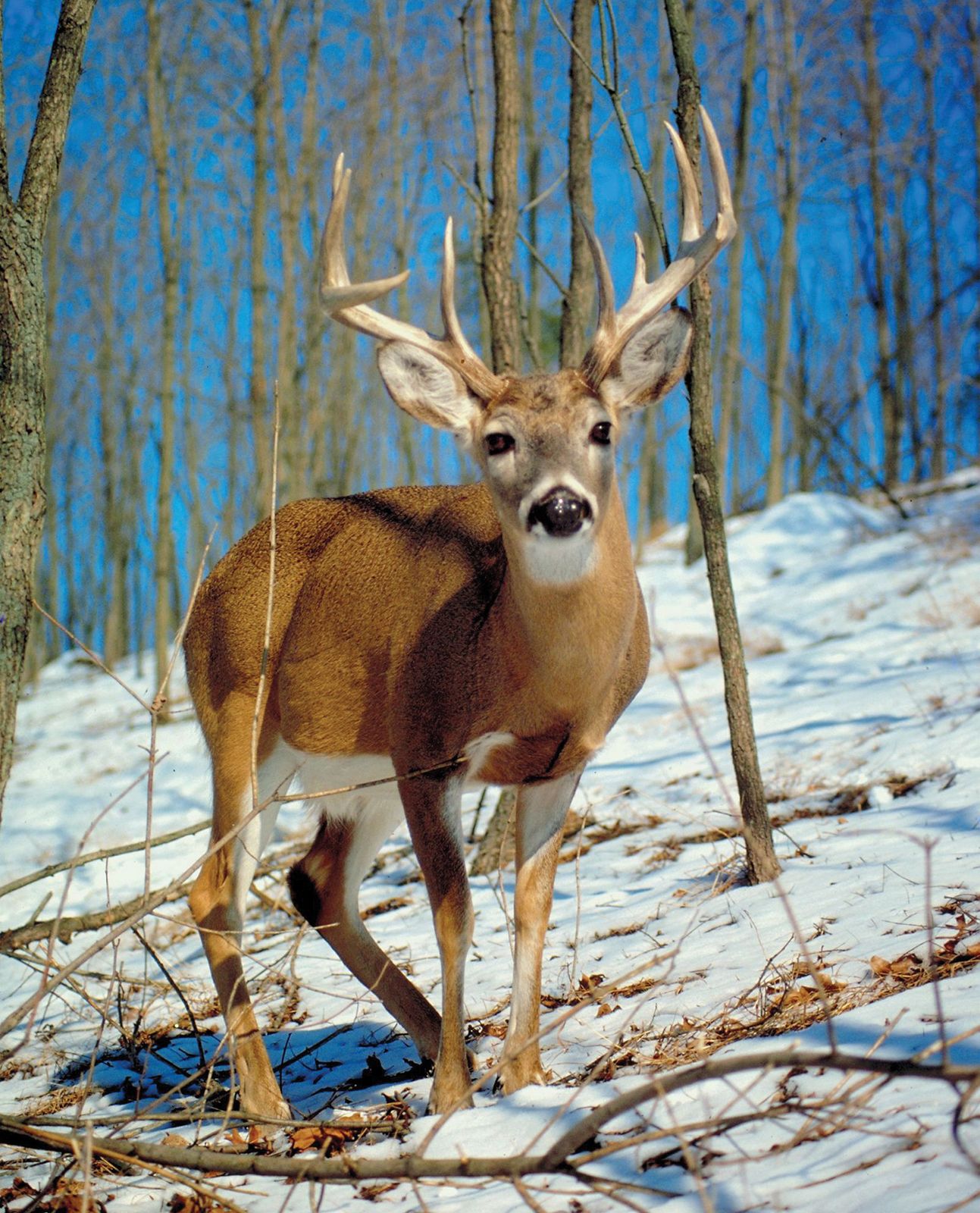
Deer are fascinating creatures that occupy a significant sphere in Native American culture, embodying an array of meanings and symbolisms that weave through the fabric of spiritual beliefs and daily life. This article delves into the multifaceted image of the Deer Clan, exploring its symbolism, spiritual importance, and the notions of cultural relativism that surround these majestic animals. One might ponder: What is it about the deer that resonates so deeply within the hearts of Native American tribes, and could this veneration present a conundrum when viewed through the lens of modern cultural perspectives?
To appreciate the role of the Deer Clan in Native American culture, one must first consider the characteristics that define the deer itself. Graceful and agile, the deer represent not only physical beauty but also femininity, gentleness, and a deep connection to nature. Among various tribes, the deer is often viewed as a messenger, guiding individuals on their spiritual journeys. Such interpretations reveal a broader understanding of how animals serve as conduits of wisdom in Native American belief systems.
The Deer Clan is particularly significant in tribes such as the Ojibwe and the Navajo. Within these cultures, deer symbolize renewal and rebirth, emerging as potent figures in mythological narratives. For example, in the Ojibwe tradition, the deer is often associated with the Earth, embodying the harmonious relationship between humans and nature. The act of hunting deer is laden with ritualistic significance, where every aspect of the animal is revered and utilized, underscoring a profound respect for life and the environment.
Moreover, in Navajo culture, the deer is emblematic of food and sustenance. The animal’s relationship to the land speaks to the interdependence of all living beings. For the Navajo, deer are not merely game; they are spiritual entities that necessitate acknowledgment and honor. This perspective invites a deeper inquiry: How does a community’s survival depend on its relationship with the natural world? Herein lies a complex challenge; while modern society often views nature as a resource to be exploited, Indigenous cultures advocate for a symbiotic relationship that emphasizes respect and gratitude.
In contemporary discussions surrounding cultural relativism, the Deer Clan serves as a focal point for examining contrasting worldviews. Cultural relativism posits that each culture must be understood in its own context, without imposing external judgments. Thus, the reverence shown to the deer in Native American cultures can be misconstrued by those outside the tradition. The implication is that spiritual beliefs are often incomprehensible to a society steeped in rationalism and individualism. This begs the question: how can one fully grasp the significance of the Deer Clan without experiencing the contextual web of relationships and beliefs that characterize Indigenous life?
For many Native American tribes, the symbolism of the deer extends beyond mere recognition of the animal; it embodies a pathway to spiritual enlightenment. The deer, as a symbol of intuition and gentleness, offers lessons in peace and understanding. This perspective fosters unity among members of the community, promoting emotional resilience and harmony. In storytelling, the deer frequently appears as a wise character, imparting teachings that cultivate moral strength and empathy. Therefore, it invites reflection on one’s place within a larger tapestry of existence.
Yet, despite the profound reverence for the deer, contemporary challenges arise. The increasing encroachment of urban development disrupts traditional lands, leading to conflicts over territory and resource exploitation. How potent is the Deer Clan’s image when juxtaposed with modern environmental issues? This juxtaposition raises critical questions regarding the authenticity of Native American culture in a rapidly changing world. The challenge is to retain the essence of ancient beliefs while advocating for sustainable practices that honor both the deer and the environment.
Furthermore, the use of deer in art and symbolism illustrates their cultural significance while grappling with appropriation and misrepresentation. Non-Indigenous artists utilizing deer motifs in their work can unintentionally disregard the sacred meanings attributed within Native American traditions. This raises ethical considerations: should cultural symbols be commoditized, or do they require a certain depth of understanding to be genuinely appreciated? Such discussions compel us to rethink how cultural exchanges can occur respectfully and meaningfully.
In the educational realm, fostering understanding of the Deer Clan requires a commitment to inclusivity and awareness. Schools and institutions can play pivotal roles in promoting Indigenous knowledge systems. Learning about the ecological, narrative, and spiritual roles of the deer can cultivate a sense of connection to nature and instill appreciation for Native American heritage. Such initiatives can help dismantle stereotypes and foster respect for Indigenous wisdom.
In conclusion, the Deer Clan image in Native American culture embodies a rich tapestry of symbolism and spiritual meaning that invites profound reflection. It challenges us to interrogate our own relationships with the natural world while requiring a respectful engagement with cultural diversity. The deer serves as a reminder of the intricate interconnections that bind us to one another and to the earth. As one contemplates these lessons, the ultimate question arises: how can we, in our modern contexts, uphold the profound teachings that the Deer Clan offers, ensuring that the essence of Indigenous cultural narratives endures for generations to come?