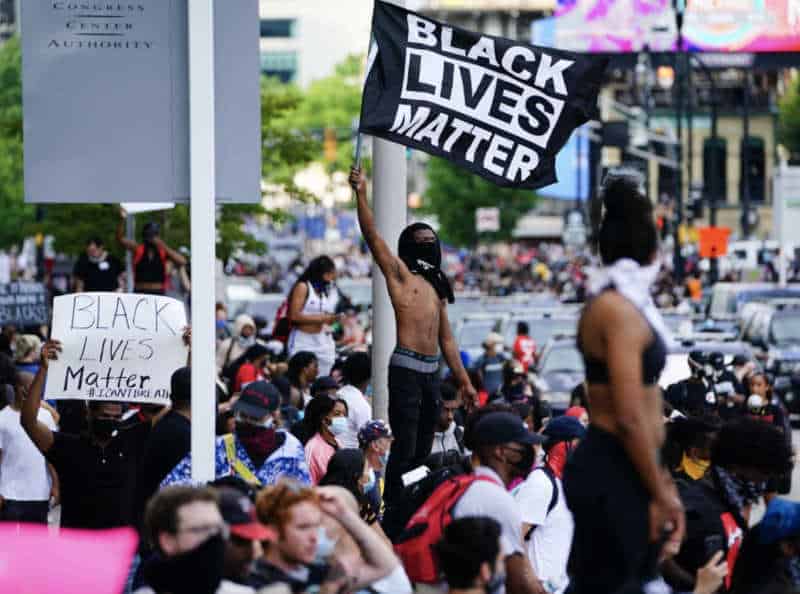
The question of whether to capitalize “White” when referring to race invites a complex dialogue within the intersection of linguistics, sociology, and cultural relativism. While many have accepted the convention of capitalizing “Black” to recognize the cultural identity and historical experiences of individuals of African descent, a parallel conversation surrounding “White” has emerged, asking whether it holds the same merit. This discourse prompts us to explore the implications and nuances involved in racial nomenclature—both in its grammatical application and broader societal ramifications.
At the crux of this inquiry lies a playful yet profound question: should the term “White,” in the same vein as “Black,” merit capitalization? If capitalizing racial identifiers enhances visibility and respect for cultural identities, does the same apply to individuals of European descent? This proposition invites an intriguing challenge: to consider the impact of such linguistic choices on social dynamics and identity formation.
Initially, one must examine the historical context surrounding racial terminology. The language used to denote racial identities has evolved significantly over time, often reflecting wider societal attitudes and power structures. Historically, “White” has been predominantly uncapitalized, perhaps indicative of the group’s majority status and perceived normalcy. In contrast, “Black” has increasingly been capitalized, particularly in the context of movements advocating for civil rights and social equity. This differentiation suggests an intentional effort to elevate the status of marginalized identities within societal discourse. Yet, this linguistic divergence poses a paradox: is the uncapitalized “White” a continuation of systemic invisibility, or merely a reflection of a linguistic norm rooted in historical precedent?
Understanding the implications of capitalizing racial identifiers leads us into the realm of cultural relativism. Cultural relativism posits that beliefs, values, and practices must be understood relative to one’s cultural context. From this perspective, the capitalization of racial identifiers becomes not merely a grammatical choice but an essential aspect of cultural recognition and acknowledgment. If “White” were to be capitalized, it might signify a shift in societal recognition—acknowledging that the experiences of people labeled as “White” are also informed by culture and history, albeit differently from traditionally marginalized communities.
To delve deeper, one must consider how identity is performed and perceived in a multicultural society. Racial classifications serve as a social construct, often functioning as markers of identity that influence how individuals navigate their worlds. When racial terminology is applied—capitalized or not—one must reflect on the implications. It becomes apparent that identity is not solely an individual experience but rather a collective societal narrative shaped by historical injustices and power dynamics. Thus, the challenge extends beyond the individual to encompass community acknowledgment and historical context.
Furthermore, the implications of capitalizing “White” also link directly to discussions on privilege and power. The term “White” represents a demographic that has historically held societal advantages and systemic benefits. Capitalizing it could potentially challenge the status quo, inviting discussions about identity and privilege within societal constructs. Yet, this raises the question of whether such a move might inadvertently dilute the gravity of movements focused on racial equity, as dominant groups might assert their experiences as equally worthy of recognition.
Moreover, as conversations surrounding race evolve, so too does the terminology. Contemporary dialogues around racial identity often embrace greater nuance, recognizing intersections of ethnicity, culture, and individual experience. In this context, monolithic categories can obscure the diversity existing within so-called “racial groups.” Capitalizing “White” risks homogenizing the experiences of individuals with varied backgrounds and histories. Nevertheless, a counterargument emerges: perhaps this linguistic choice is a necessary step toward fostering greater awareness that recognizably engages all racial identities in a comprehensive dialogue about culture and identity.
Moreover, the digital age has resurrected discussions around identity with greater visibility, catalyzed by social media platforms that foster collective engagement. As more voices and narratives are elevated, examining the implications of capitalizing identifiers becomes increasingly urgent. The dynamics present within online communities call for sensitivity, as different groups strive to articulate their experiences explicitly and powerfully. Capitalizing anything—whether “Black,” “White,” or other identifiers—has profound consequences for how communities articulate their histories and advocate for their rights in society.
In light of this ongoing debate, a myriad of perspectives surfaces, reflecting varying degrees of acceptance and resistance. Advocates for capitalizing “White” assert that doing so would recognize the multifaceted nature of identity in contemporary discourse. Conversely, detractors caution that this change may risk perpetuating a sense of entitlement or deflection from discussions about systemic racism. Therefore, the crux of the decision may lie not in the mere act of capitalization, but rather in understanding its broader implications on the collective consciousness surrounding race and identity.
Ultimately, the question of whether “White” should be capitalized when referring to race transcends a mere grammatical inquiry—it serves as a reflective lens through which to examine societal attitudes toward race, power dynamics, and cultural representation. The implications extend far beyond textual conventions; they embody a broader dialogue about identity in a multicultural context, encouraging a more nuanced understanding of race that acknowledges both individual and collective experiences. As society progresses, such discussions contribute to shaping an inclusive cultural narrative that recognizes the complexities and nuances of the human experience.