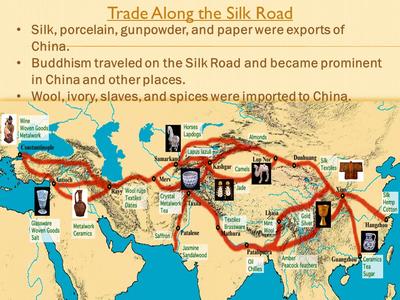
The Silk Route, historically denoting an extensive network of trade routes, has exerted a profound influence on cultural diffusion. This exchange transcended mere commodities, fostering a rich tapestry of ideas, traditions, art, and knowledge across various civilizations. As patterns of interaction between the East and West solidified, a myriad of changes took shape across multiple spheres of life, which can still be traced today.
To fathom the depth of cultural diffusion along the Silk Route, it is crucial to first understand the geographical scope of this ancient network. Spanning from the eastern reaches of China to the Mediterranean, the Silk Route encapsulated a vast array of territories covering present-day countries such as China, India, Iran, Iraq, and parts of Turkey and Europe. This convergence of regions facilitated not only the exchange of silk and spices but also the flow of cultural and intellectual resources.
The exchange of goods along these routes was extraordinary. Silk, the most renowned product, was both a luxury item and a symbol of status. However, the commerce of textiles, ceramics, and spices was complemented by the dissemination of agricultural practices, medicinal knowledge, and technological innovations. For instance, the introduction of papermaking techniques from China to the West revolutionized literacy and education.
In addition to tangible goods, diverse belief systems and philosophies traversed the Silk Route. Buddhism, which originated in India, found its way into various regions, deeply impacting cultures in China, Central Asia, and beyond. The religion’s emphasis on the interconnectivity of life resonated with existing spiritual traditions, leading to syncretic beliefs that enriched the sociocultural landscape.
Another striking illustration of cultural diffusion is the introduction of Islamic teachings and practices. Following the spread of Islam, cultures along the Silk Route experienced a notable fusion of arts, literature, and architectural styles. The amalgamation of Persian artistry, Arabic calligraphy, and Central Asian skills birthed a unique aesthetic that persists in many contemporary societies. Such exchanges contributed to the wealth of knowledge in mathematics, astronomy, and medicine that characterized Islamic Golden Age scholars.
In visual arts, the Silk Route served as a conduit for the transmission of styles and techniques. The movement of artists and artisans facilitated the cross-pollination of artistic expression. Chinese silk paintings heavily influenced Persian art, bestowing intricate details and vibrant colors, while Middle Eastern geometric patterns found their way into Chinese pottery. The artistic synthesis created an unparalleled legacy that still captivates audiences around the world.
The Silk Route also heralded a profound linguistic diffusion. As traders and travelers traversed this extensive route, languages intermixed, giving rise to new dialects and terms that enriched the lexicons of various cultures. The Persian language, for example, absorbed elements from Turkic and Arabic languages, creating a rich tapestry of vocabulary that enhanced communication among diverse groups.
One cannot overlook the role of technological innovations within the realm of cultural diffusion along the Silk Route. The wheel, compasses, and navigational instruments, integral to the expansion of trade, were disseminated swiftly along these paths. The exchange of such innovations not only improved trade efficiency but also facilitated human exploration and connectivity across previously isolated regions.
Additionally, food and agricultural practices emerged as a significant aspect of cultural exchange. Crops such as rice, introduced via the Silk Route from China to Europe, revolutionized agricultural practices, with broad implications for diets and culinary traditions throughout those regions. Similarly, spices and herbs traversed these routes, altering flavors and cooking methods across cultures, resulting in a global culinary dialogue still present in modern cooking.
The implications of cultural diffusion along the Silk Route extend far beyond historical contexts; they resonate within current global interactions. The interactions fostered by these ancient trade routes can be likened to today’s digital exchange, where information spreads rapidly across borders, facilitating unprecedented connectivity. The paradigms of mutual influence, adaptation, and borrowing observed during the time of the Silk Route reflect contemporary dynamics in globalization.
However, the legacy of the Silk Route also highlights urgent contemporary issues, particularly concerning cultural appropriation and the preservation of heritage. As cultures continue to interface, it is critical to foster respect for indigenous traditions while also encouraging dialogue and exchange. Understanding the nuances of cultural diffusion is paramount in avoiding misappropriation and in maintaining the integrity of original cultural expressions amid globalization.
Furthermore, as the world grapples with existential challenges related to climate change, the Silk Route serves as an instructive case study in collaborative resilience. Historically, diverse cultures successfully adapted to environmental changes due to their interconnectedness. This paradigm underscores the importance of cross-cultural collaboration in addressing current global challenges, reminding us that collective efforts often eclipse isolated attempts in effecting substantial change.
In conclusion, the Silk Route offers a multifaceted lens through which to explore the intricacies of cultural diffusion. Its historical significance remains relevant today, serving as a reminder of the benefits and challenges inherent in cultural exchanges. By examining the past, one can glean insights that facilitate improved understanding, innovation, and conservation in a rapidly evolving world.