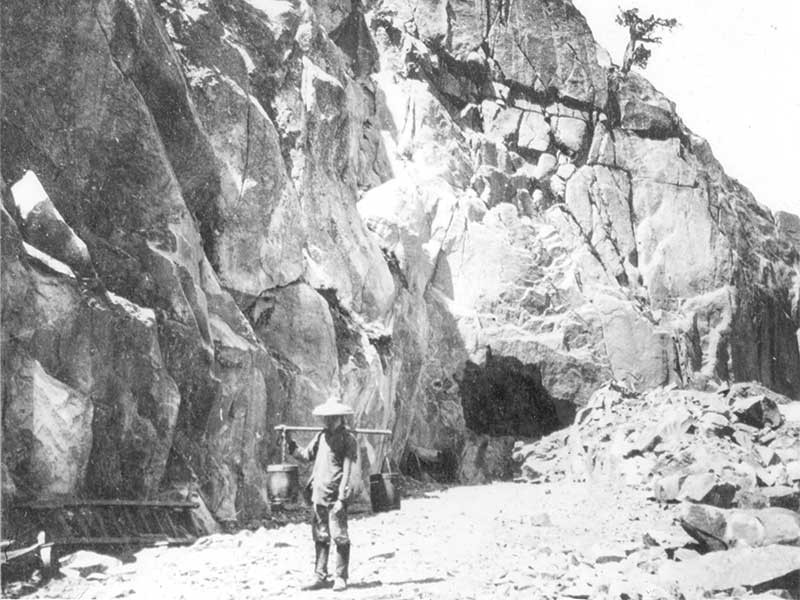
The construction of the Transcontinental Railroad stands as a monumental achievement in American history, symbolizing the expansion of the nation and the unification of its disparate parts. Yet, this narrative often overlooks a critical component: the profound contributions and experiences of Chinese laborers. The story of these individuals transcends mere statistics and enters the realm of cultural relativism, warranting a reevaluation of their roles in a predominantly Eurocentric historical framework. By understanding these laborers through the lens of cultural relativism, one can uncover the complexities of their experiences and the systemic inequities they faced.
During the mid-19th century, amidst the backdrop of a burgeoning US economy and the allure of westward expansion, the demand for labor surged. The completion of the Transcontinental Railroad was deemed an essential artery for progress, but, paradoxically, the narrative often relegated the labor of Chinese immigrants to the periphery. Approximately 15,000 Chinese workers were recruited to undertake strenuous labor primarily in the Sierra Nevada mountains. Their sheer number and the inhospitable terrain where they toiled shed light on their indispensable role in this gargantuan undertaking.
Cultural relativism invites individuals to view cultural practices and societal norms from a perspective that seeks to understand their unique complexities, devoid of preconceived judgments. The Chinese workers’ willingness to endure perilous conditions and inadequate compensation stemmed not merely from desperation but reflected a myriad of cultural and historical factors. For many, economic migration was not merely a personal endeavor; it was an obligation to support families left behind. This collective responsibility transcended individual narratives, illustrating a broader intergenerational contract steeped in filial piety.
The harsh realities faced by these laborers often provoke a sense of sympathy; however, the intersectionality of their suffering also reveals underlying themes of exploitation and resilience. Work conditions were brutal. Laborers faced natural hazards, with landslides and harsh weather claiming lives and limbs. Moreover, the prevailing biases against them led not only to physical peril but also to systemic marginalization within the workforce. Discriminatory wage disparities—often receiving significantly less than their white counterparts—reflected both a societal undervaluation of their contributions and a stark illustration of racial injustice.
Cultural relativism sheds light on how these workers were perceived by their contemporaries. To many Anglo-American laborers, the presence of Chinese workers evoked a mixture of resentment and contempt, fueled by prevailing stereotypes that painted them as unassimilable ‘others.’ These perspectives were often strategically perpetuated by competing labor factions who wished to secure their own positions in a rapidly changing economic landscape. The unfounded fears surrounding job security for white workers augmented discriminatory practices through the propagation of narratives that vilified Chinese laborers as threats to social fabric.
However, the resilience displayed by these laborers extends beyond enduring adversity. Their contributions included introducing new techniques in railway construction and cultivating unique communal practices that blended elements of their heritage with the harsh realities of their work. They established informal networks that not only provided emotional support but also facilitated knowledge exchange, effectively creating a microcosm of diasporic resilience within the macro-structure of railroad construction.
This resilience raises pertinent questions regarding the intersection of identity and labor. The Chinese railroad workers navigated a complex identity landscape — they were essential to the completion of the project, yet society simultaneously marginalized them. The concept of cultural relativism pinpoints how their identity was shaped by the economic, social, and political environments that sought to exploit yet erase their narratives. Examining the contributions of these laborers thus demands a reconsideration of the broader American narrative—one that highlights the realities of a multicultural society.
Beyond mere recognition, there is a pressing need to integrate these historical narratives into the wider discourse on national identity. Acknowledging the intellectual and laborious contributions of Chinese workers helps dismantle monolithic understandings of America’s past. Integrating this perspective emphasizes the plurality of experiences that have defined the nation’s development. Through their perseverance and skilled labor, these individuals fostered a deeper connection between different cultural paradigms, thereby enriching the burgeoning American society.
Furthermore, reckoning with this chapter in history allows for lessons in contemporary contexts. The immigrant experience, fraught with challenges and societal resistance, resonates strongly today. The echoes of cultural relativism remind current societies of the importance of understanding the dynamics of labor and identity within migration processes. Recognizing the historical exploitation of immigrant laborers positions modern discussions surrounding human rights, economic equity, and social justice in a more informed light.
In conclusion, the story of Chinese laborers in the construction of the Transcontinental Railroad is not just one of subjugation; it is also a narrative of agency, resilience, and indispensable contributions to the American landscape. Reflecting on their experiences through a culturally relativist lens not only honors their legacy but also compels a critical examination of the broader historical narrative. As society progresses, a shift in perspective regarding labor and identity can yield a deeper understanding of the interconnectedness that defines all human endeavors. This exploration inspires curiosity about untold stories that shape collective histories and emphasizes the importance of inclusive narratives in shaping our understanding of the past.