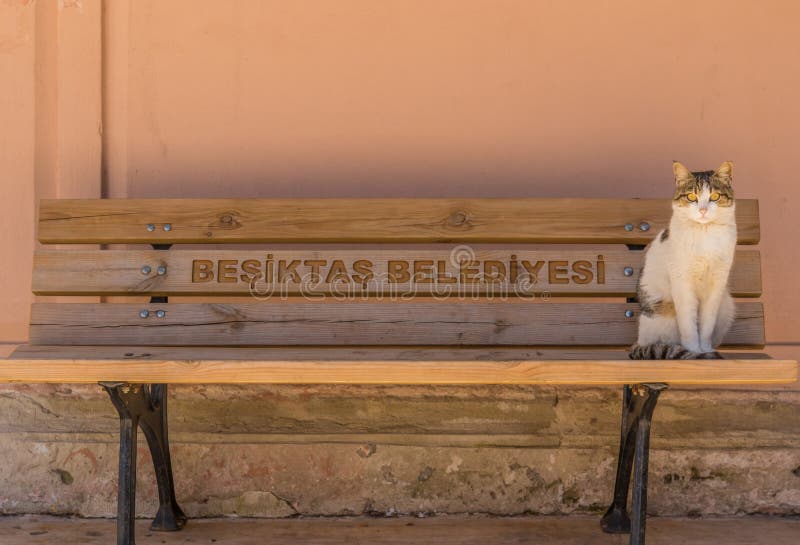
In an era where urban development and modernization often wrestle with traditional lifestyles, the city of Istanbul presents a compelling case study that juxtaposes the modern human experience with a time-honored devotion to its feline inhabitants. Istanbul, a thriving metropolis straddling continents and cultures, is often referred to as “The City of Cats.” This designation is not merely a whimsical moniker, but a testament to the intricate bond between the denizens of this city and its innumerable cats, who roam its streets, cafés, and historical landmarks. To understand this phenomenon, one must adopt a perspective rooted in cultural relativism, allowing for a nuanced appreciation of the sociocultural dynamics that govern human-animal relationships in this urban landscape.
The cat population in Istanbul is composed of an estimated 2 million felines, an overwhelming presence in a city with a human populace of approximately 15 million. The cats are not viewed as mere animals; rather, they are integral components of the urban tapestry, embodying a sense of historical continuity and a manifestation of the city’s identity. In this context, one must explore the origins of this unique relationship, delving into the cultural, historical, and spiritual dimensions that inform the city’s collective affinity for cats.
Historically, cats have held a revered status in the Islamic tradition, often associated with cleanliness and the protection of food supplies from rodents. In Istanbul, a city that has served as a nexus for diverse cultures and religions throughout its storied existence, cats are often seen as conduits of good fortune. Local lore suggests that their presence brings prosperity and well-being to neighborhoods. Beyond mere superstition, this reverence can also be traced back to the Ottoman Empire, where cats were championed for their ability to maintain order in households and marketplaces alike. Such historical narratives foster an ingrained respect for these creatures, transcending mere ownership and veering into communal stewardship.
Cultural relativism invites more profound inquiries into the day-to-day lives of these cats and their human companions. In Turkey, the philosophical concept of “kedi,” meaning cat, encapsulates a worldview informed by an intrinsic interconnectedness. Residents often adopt cats as part of their households, yet they also share responsibility for the well-being of neighborhood cats, a practice deeply embedded in the locale’s social fabric. Many Istanbullus are known to regularly feed stray cats, a ritual that manifests in the form of small dishes filled with kibble, fresh water, or even morsels from their own meals, signifying a collective recognition of the cats’ agency and place in their environment.
This symbiotic relationship invariably alters the perception of urban living. The streets of Istanbul are intermingled with cat cafes and makeshift shelters, where humanity and felinity converge in harmonious coexistence. This dynamic shifts the sociological construct of urban space; rather than being territories dominated by human activity alone, these spaces become shared ecosystems, a balance of life where absent interaction can lead to a fracturing of the delicate harmony that sustains both populations. The commitment to the welfare of street cats instills an ethic of care, promoting empathy and fostering communal bonds among city dwellers.
From a cultural relativism standpoint, one can also recognize the disparities inherent in urban animal welfare approaches globally. In many Western cities, the perception of stray animals is often imbued with stigma, leading to the implementation of eradication policies rather than inclusive care models. Such actions reflect a utilitarian view, contrasting sharply with Istanbul’s embrace of its feline companions. The care for strays in Istanbul highlights a societal ethos that values inclusivity over exclusion, thereby challenging dominant paradigms around animal control and welfare.
Moreover, the symbolism of cats extends beyond simple companionship; they symbolize resistance and resilience. In the wake of modernization and gentrification, many local residents see the persistence of street cats as emblematic of their own fight to maintain cultural and historical narratives in the face of encroaching globalization. The cats become symbols of identity, a reminder of the city’s long-standing traditions that resist the transitory nature of contemporary urban development.
Curiously, one can examine how such relationships extend into the realm of art, literature, and social media, where cats have been immortalized in countless representations. Artists frequently depict cats as metaphors for autonomy and defiance, serving as cultural icons that encapsulate the spirit of Istanbul itself. The phenomenon is echoed throughout social networks, where images and anecdotes about these cats garner significant attention and adoration, thereby piquing curiosity among not only locals but also international audiences drawn to this unique aspect of Istanbul’s heritage.
The cats of Istanbul provide a lens through which one may engage with broader questions about humanity’s relationship with the natural world and the ethical implications of urban living. As observers reflect on this cityscape, a paradigm shift occurs, inviting deeper considerations of how societies can successfully nurture interspecies relationships rooted in respect and mutual benefit. In the reflection of cat eyes, one may discern not only the warmth of companionship but also a broader narrative about coexistence amidst a chaotic metropolis.
In conclusion, Istanbul as the “City of Cats” serves as a vital case study in the exploration of cultural relativism and the significance of animal welfare as interconnected with human values, history, and identity. The multifaceted bond between residents of Istanbul and their feline counterparts embodies an enduring narrative steeped in affection, resilience, and community responsibility, all of which beckon a thoughtful response to the complexities of urban life in the modern age. The next time one traverses the vibrant streets of Istanbul, the presence of its cats may incite introspection, prompting an exploration into the very essence of what it means to coexist with the myriad creatures that share our environment.