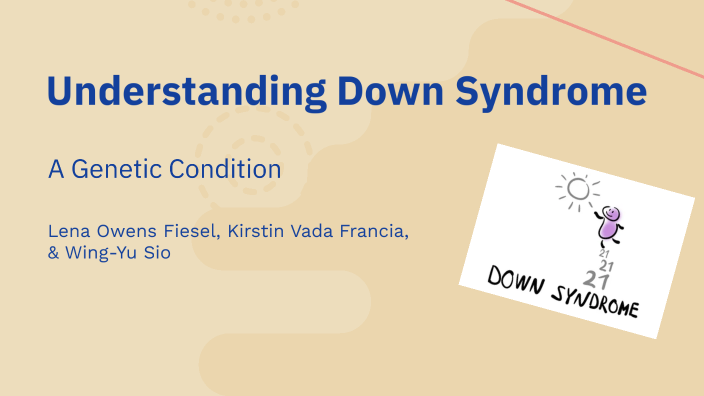
Understanding Down Syndrome within the framework of cultural relativism reveals a multifaceted landscape shaped by personal narratives, societal frameworks, and historical contexts. This analysis delves into the representation of Down Syndrome through the lens of a Black individual’s experience, illuminating the complexities and nuances associated with identity, acceptance, and communal engagement.
To begin, it is imperative to delineate Down Syndrome. Often misconceived, it represents a chromosomal anomaly marked by the presence of an additional 21st chromosome. This condition imbues individuals with distinctive physical and cognitive attributes, manifesting in a series of developmental challenges. However, this scientific definition scarcely encapsulates the rich tapestry of lived experiences that vary dramatically across cultural contexts. Herein lies the vitality of cultural relativism—the viewpoint that perceptions, values, and norms should be understood relative to one’s culture.
Within the African diaspora, the narratives surrounding disability—particularly Down Syndrome—are imbued with cultural connotations that can vastly differ from Western interpretations. For many families within Black communities, the conception of disability often intersects with spirituality, historical trauma, and resilience. This intersectionality leads to distinctive coping mechanisms, communal support systems, and cultural practices that actively shape the identity of individuals with Down Syndrome.
The telling of a Black person’s journey with Down Syndrome is analogous to a vibrant quilt, each patch representing different cultural, social, and familial influences that contribute to their identity. Each piece is a story, providing warmth, nuance, and context to the overarching narrative. The metaphor reinforces the idea that identity is not monolithic but rather a composite of experiences, traditions, and communal relationships.
One often overlooked aspect of representation is the relationship between societal expectations and self-acceptance. In many cultures, particularly African and Caribbean cultures, community perception plays a pivotal role in shaping one’s identity and sense of belonging. A Black individual with Down Syndrome often navigates a precarious landscape, where the duality of societal stigma and familial love can either nurture or stifle potential. For instance, in some communities, there exists a cultural reverence for those deemed ‘different,’ interpreted as possessing unique gifts or spiritual significance. This phenomenon can foster a protective cocoon for these individuals, allowing their parents and caregivers to nurture self-acceptance while simultaneously confronting societal prejudices.
However, the narrative shifts starkly when considering the broader societal perspective. Prejudice is often exacerbated by a lack of understanding and representation within media and public discourse. The portrayal of individuals with Down Syndrome typically reflects a limited scope, frequently aligning with stereotypes that perpetuate marginalization. In mainstream representations, Black individuals with Down Syndrome are regrettably absent or depicted in ways that strip them of their agency and complexity. This exclusion not only impedes the celebration of diversity but also hampers the construction of a robust identity for those affected.
Cultural relativism encourages a more nuanced understanding of how different societies interpret the value and potential of individuals with disabilities. In various African cultures, disability can be closely tied to community identity, wherein individuals are seen not solely as disabled but rather as integral members contributing to the community’s fabric. The story of a Black person with Down Syndrome then becomes a narrative of resilience—a testament to collective strength and continuity in the face of adversity.
Engagement with local communities can facilitate the reclamation of narratives surrounding Down Syndrome, bridging gaps between lived experiences and the prevailing societal discourse. Emphasizing dialogue and participation fosters an environment of empathy and understanding. Community-driven initiatives—such as workshops, art exhibitions, or storytelling events—can empower individuals with Down Syndrome to share their authentic selves, thereby challenging stereotypes and engendering inclusivity.
Furthermore, it is essential to address the intersectionality of race, disability, and gender. Often, Black women with Down Syndrome may face compounded discrimination, navigating not only barriers related to their disability but also those associated with their gender and race. This layered identity necessitates a distinct form of representation, one that highlights their agency and challenges existing paradigms of disability activism. By amplifying their voices, we enrich the collective narrative of Down Syndrome, showcasing the divergent experiences and identities within this community.
Finally, an exploration of Down Syndrome representation through a Black person’s narrative underscores the importance of cultural relativism. It compels society to reassess its preconceived notions and acknowledges the vast emotional landscape that accompanies the lived experience of those with disabilities. The unique appeal of these stories lies not only in their capacity to provoke empathy and erosion of stigmas but also in their potential to champion a more inclusive society where every individual is celebrated for their distinct contributions.
In conclusion, understanding Down Syndrome representation through the prism of a Black individual’s journey invites a broader conversation about identity, community, and cultural understanding. Allowing these narratives to flourish enriches our collective tapestry, weaving together stories of resilience, acceptance, and an unyielding drive toward inclusivity. To embrace these multifaceted identities is to acknowledge our shared humanity, fostering a society that uplifts and unites rather than divides.