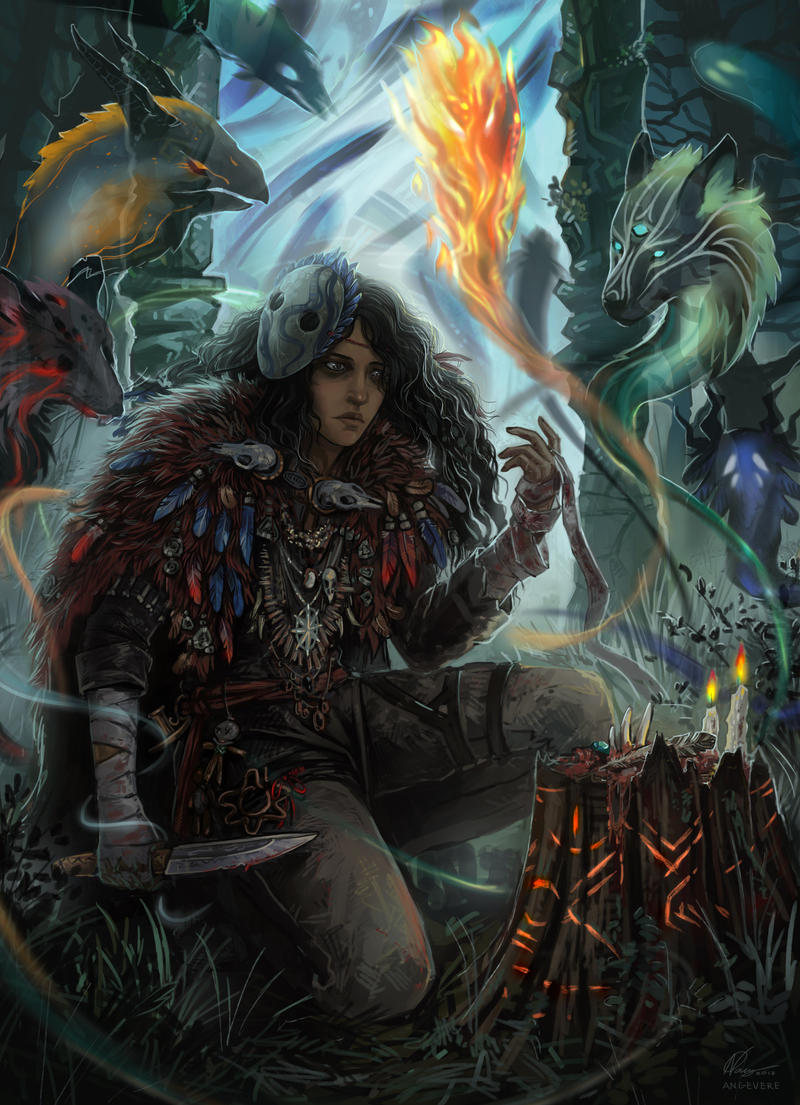
Across various cultures, the figure of the shaman holds a place of profound intrigue and reverence. Shamans often serve as intermediaries between the human realm and the spirit world, using their unique abilities to commune with, and channel, spiritual energies. Central to this complex role is the belief in spirit guides—entities that offer guidance, protection, and insight. This article will explore what shamans believe, particularly concerning spirit guides, and examine the broader cultural implications of these beliefs.
The concept of the shaman is as diverse as the cultures from which it originates. Generally, a shaman is perceived as a healer, a seer, or a spiritual leader. Traditionally, they undergo rigorous initiations or apprenticeships, often characterized by extraordinary experiences, including trance states or altered consciousness. In these states, shamans purportedly encounter spirit guides, who may manifest as animal totems, ancestral spirits, or elemental forces. The beliefs surrounding these spirit guides are emblematic of a deeper cosmology that connects human existence to the metaphysical realm.
At the heart of shamanic belief is an understanding of a multilayered universe. The visible world is merely one dimension of reality, with various parallel realms inhabited by spirits. Within this belief system, everything possesses a spirit—rocks, trees, rivers, and animals. This animistic perspective engenders a profound sense of connectedness to nature and the pursuit of harmony within one’s surroundings. Shamans often assert that spirit guides, who can traverse these realms, acquire knowledge and wisdom that transcends ordinary human understanding.
The roles that spirit guides assume can vary significantly among different cultures. For instance, in many Indigenous North American traditions, it is common for individuals to receive a spirit animal during vision quests. These animal guides are believed to embody specific qualities or characteristics that the person can draw upon in their daily life. A wolf, for example, might signify loyalty and teamwork, while an eagle might represent vision and perspective. Such symbolism allows individuals to navigate the complexities of existence with greater clarity.
Furthermore, there exists a reciprocal relationship between the shaman and their spirit guides. Shamans often engage in rituals or practices to honor these entities, establishing a bond that enhances their spiritual efficacy. This involves offerings, prayers, or ceremonial dances designed to invoke the guidance and support of these spirits. Such practices underscore the belief that these guides are not merely passive observers but active participants in the individual’s journey toward self-discovery and healing.
The fascinating aspect of shamanic belief systems is their capacity to address existential questions. The presence of spirit guides suggests that individuals are never truly alone. This belief can alleviate feelings of isolation and despair, offering a sense of purpose and direction. The act of consulting with spirit guides can provide a psychological balm that fosters resilience in the face of adversity. For many, the journey of life becomes less daunting with the assurance of spiritual companionship.
In addition to their function as guides, spirits often help shamans diagnose and treat ailments. In shamanic healing, illness is frequently perceived as a manifestation of spiritual imbalance or disharmony. Shamans, through their connection to spirit guides, may identify the source of affliction, whether it be a malignant spirit, an emotional blockage, or a loss of power. The healing process then involves restoring equilibrium, often utilizing rituals that encourage clients to reestablish their relationship with both their inner selves and the outer world.
Moreover, the role of spirit guides extends into the realm of cultural identity. In many societies, the notion of spirit guides reinforces traditional beliefs and practices, preserving indigenous knowledge systems in an age of globalization. As younger generations seek connection to their heritage, shamans often play a pivotal role in the revival of such traditions, guiding individuals toward an understanding of their roots. This perpetuates a cycle of cultural transmission, wherein ancestral wisdom is passed down through rituals centered on spirit guidance.
However, the fascination with shamanism and spirit guides transcends cultural boundaries. The modern interest in alternative healing methods often frames shamanic practices within a broader context of wellness and spirituality. As individuals increasingly seek meaning in their lives, they may turn to concepts of spirit animals and guides as metaphors for personal growth. The allure of harnessing the wisdom of spirit guides appeals to a universal longing for connection, belonging, and understanding.
Nonetheless, it is crucial to approach these beliefs with a discerning eye. The commercialization of shamanic practices can lead to cultural appropriation, where elements of indigenous traditions are extracted and superficialized. This raises ethical questions about the preservation of authenticity and respect for the heritage from which these practices arise. It serves as a reminder that shamanic traditions are deeply rooted in cultural narratives that should be appreciated in their original contexts.
In conclusion, the beliefs surrounding spirit guides within shamanism encapsulate a rich tapestry of cultural significance. They highlight a worldview that emphasizes interconnectedness, the essence of nature, and the existence of multidimensional reality. As shamans bridge the gap between the known and the unknown, they offer not merely insight for individual healing but a profound commentary on the human condition. The continuation of these beliefs in contemporary society reflects an enduring quest for understanding, connection, and spiritual fulfillment.