Short Answer
Throughout the ages, the majestic roar of the lion has been synonymous with strength, courage, and dominance. However, the geographical reality of lions in Europe is as complex as the symbolism they embody. This exploration seeks to delve into the intricate tapestry of Europe’s historical relationship with lions, revealing how cultural relativism can shed light on the continent’s long-lost apex predators.
Understanding the absence of lions in Europe necessitates a broader examination of historical biogeography. During the Pleistocene epoch, lions roamed across vast areas, including modern-day Europe. The European cave lion, *Panthera leo spelaea*, inhabited the region until about 12,000 years ago. Fossil evidence suggests that these animals thrived in the temperate woodlands and grasslands that characterized prehistoric Europe. This cohabitation raises an intriguing question: why do these once prevalent predators no longer inhabit the continent?
A myriad of factors contributed to the extinction of the cave lion, primarily driven by climatic shifts and human encroachment. As the last Ice Age subsided, Europe underwent remarkable environmental transformations. The flora and fauna restructured, which contributed to diminished prey availability for large carnivores. Concurrently, the rise of early humans, skilled in hunting and resource exploitation, placed immense pressure on lion populations. In this context, the extinction of the cave lion serves as an early example of anthropogenic impact on megafauna.
The fascination with lions transcends mere biological discourse, as cultural perspectives have woven these creatures into the fabric of European identity. The lion has adorned coats of arms, served as a symbol of royalty, and appeared in literature and folklore for centuries. The regal status attributed to lions in heraldry reflects a cultural reverence that has persisted, despite the species’ withdrawal from the continent. This symbolic resonance points to a deeper psychological association, perhaps influenced by the lion’s role in the collective unconscious as a representation of strength and nobility.
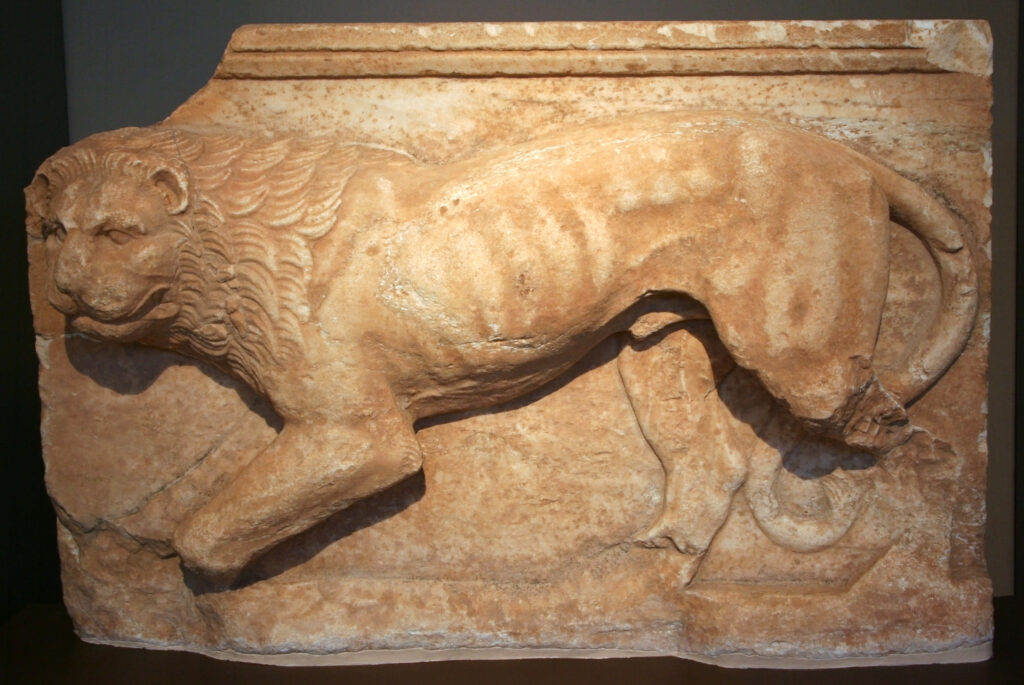
When discussing cultural relativism, it becomes essential to consider how various societies interpret and ascribe meaning to lions amidst historical contexts. In ancient Rome, lions were emblematic of grandeur and power, often utilized in gladiatorial games. These spectacles served not only as entertainment but also as a mechanism to assert dominance and showcase human civilization’s triumph over nature. Here, the portrayal of lions served a dual purpose, reinforcing the idea of human superiority while simultaneously immortalizing the lion’s status as an object of awe.
Moving beyond antiquity, the Middle Ages continued to perpetuate the lion’s mythos, often depicted in the context of Christian symbolism. The lion, representing the resurrection of Christ, became a figure of divine power prevalent in ecclesiastical artwork. This period encapsulated the transition of lions from real predatory mammals to revered metaphoric entities. The cultural significance imbued within these representations speaks to the adaptive strategies of different societies in interpreting the animals within their specific historical frameworks.
Nomadic tribes and rural communities, conversely, had their unique relationships with the lion. In regions where lions once thrived, oral traditions often encapsulated fear and reverence. The narratives spun around these creatures reveal the human propensity to intertwine narratives of resilience and existential threats posed by apex predators. The lion’s stature as a perilous yet majestic entity evokes a sense of wonder that has reverberated through generations.
The absence of lions in contemporary Europe does not signify an end to their cultural relevance. Instead, it highlights a fascinating dichotomy between history and modernity. Today, most Europeans may never encounter a lion in the wild, yet the profound symbolism associated with these animals continues to resonate. The lion’s image, employed in everything from sports teams to national emblems, encapsulates ideals that remain ever pertinent—courage, loyalty, and strength.
Environmental conservation and the rewilding movement have surged in response to the ongoing biodiversity crisis. These modern initiatives, which aim to restore ecosystems and reintroduce native species, rekindle the conversation regarding the historical habitation of lions. Advocates for the reintroduction of apex predators, including the lion, argue that these animals play a crucial role in maintaining ecological balance. The potential revival of lions in European landscapes prompts ethical considerations surrounding animal rights, habitat restoration, and human-wildlife cohabitation.
While rewilding efforts remain speculative, the cultural fascination with lions—in all their forms—shall endure. The lion as an archetype continues to provoke strong emotional responses, illustrating the human desire to connect with nature and explore our historical heritage. As modern societies grapple with the ramifications of biodiversity loss and the consequences of climate change, the emblematic lion serves as a poignant reminder of a time when these grandiose creatures existed alongside humanity.
Ultimately, the narrative of lions in Europe transcends their physical presence; it invokes the profound interplay between culture, history, and ecology. By unearthing the anthropological significance of lions throughout Europe’s past, a window opens into a complex relationship formed by admiration, fear, and respect. The legacy of Europe’s lost predators is not merely a biological tale, but a rich cultural story that continues to shape the continent’s identity in ways both subtle and overt.
FAQ
Were there ever lions native to Europe?
Yes, the European cave lion (Panthera leo spelaea) roamed Europe during the Pleistocene epoch until about 12,000 years ago.
Why did lions become extinct in Europe?
Lions in Europe became extinct due to a combination of climatic changes after the last Ice Age, which altered habitats and prey availability, along with human hunting and encroachment.
Do lions still have cultural significance in Europe despite their absence?
Absolutely. Lions remain a powerful symbol in European heraldry, literature, and folklore, representing strength, courage, and nobility.
Is there any movement to reintroduce lions or other apex predators to Europe?
Yes, some environmental conservation and rewilding initiatives consider reintroducing apex predators to restore ecological balance, though the reintroduction of lions remains speculative.
What role did lions play in ancient European cultures?
Lions were symbols of power and dominance, used in Roman gladiatorial games and depicted extensively in medieval Christian art symbolizing divine power and resurrection.




Leave a Reply