Short Answer
The biological definition of a human being encompasses a range of characteristics that are not merely anatomical but intertwined with complex behavioral patterns, cognitive capabilities, and social structures. Understanding humans requires a multidisciplinary approach that incorporates biology, anthropology, psychology, and, importantly, cultural relativism. The fascination with the essence of our species lies in both the biological attributes that distinguish us from other organisms and the cultural practices that define our existence. This article delves into the biological aspects of humans while simultaneously evaluating them through a cultural lens.
At a fundamental level, humans belong to the species *Homo sapiens*, characterized by a unique combination of physical and mental faculties. From an anatomical perspective, human beings exhibit bipedalism, enabling us to walk upright and freeing our hands for tool use and manipulation of our environment. The structure of our cranium, notably our expansive brain, provides us with advanced cognitive abilities, setting us apart from other species. Yet, it is not simply our physiological attributes that define our humanity; rather, it is the intricate tapestry of cultural practices that pools our biological uniqueness into a coherent identity.
Human DNA reveals a remarkable 99.9% similarity among individuals. This genetic commonality hints at our shared evolutionary heritage, leading to a profound interconnectedness that persists across cultures. However, the minute genetic variations that do exist are profound in their implications. They influence aspects such as skin color, disease susceptibility, and even height. The ways in which these biological traits are interpreted and valued are culturally constructed. For instance, varying perceptions of beauty, intelligence, and strength can diverge significantly based on cultural context.
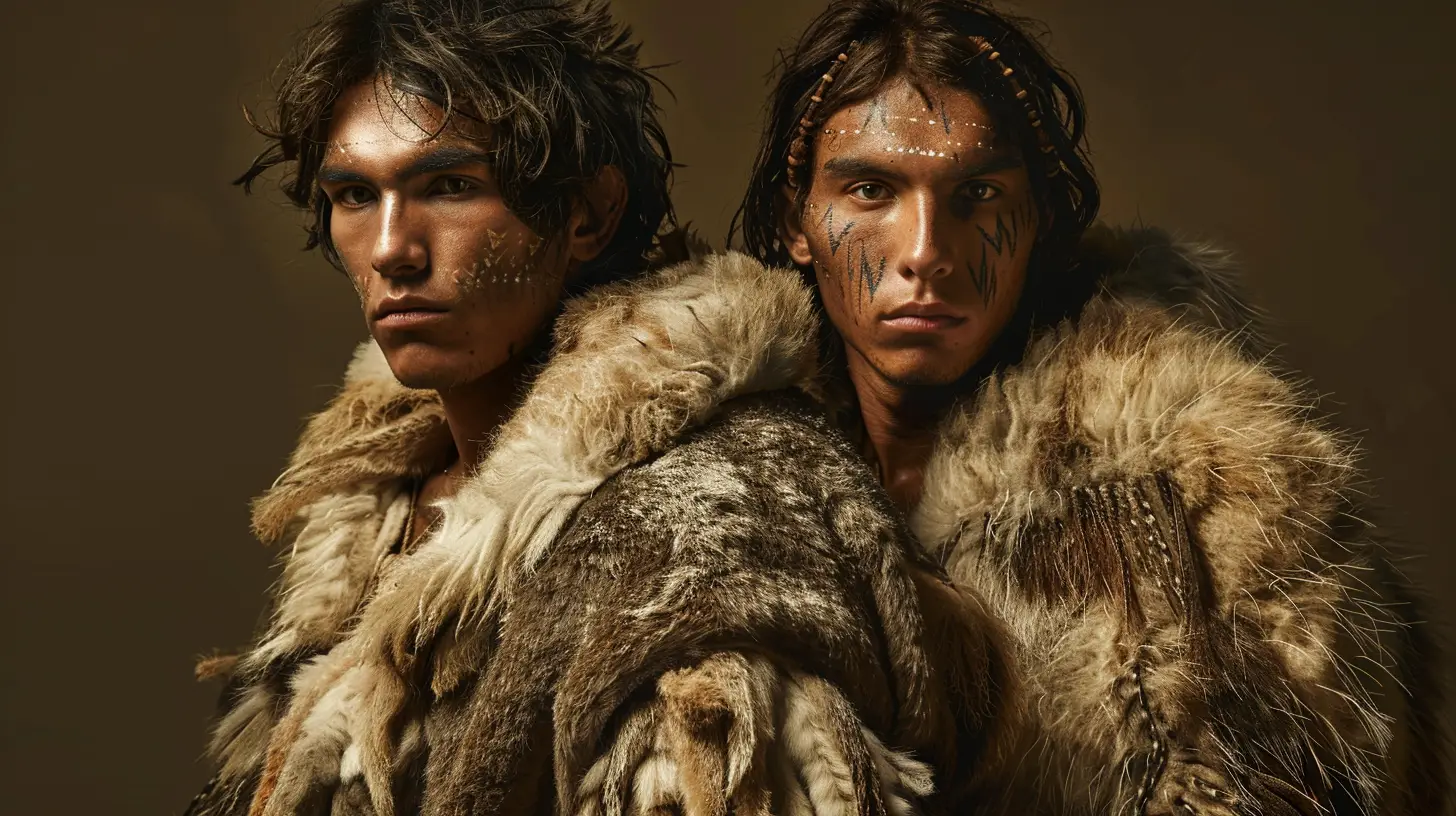
Cultural relativism posits that an individual’s beliefs and activities should be understood based on their own culture rather than be judged against the criteria of another culture. This framework is particularly pertinent when discussing the biological definition of humanity. Across different societies, the interpretation of what it means to be human varies dramatically. In some cultures, spiritual beliefs may define a human being more heavily than biological characteristics. For example, certain Indigenous populations consider a deep connection to the land and ancestors as integral to the human experience, emphasizing spiritual and communal bonds over genetic makeup.
Throughout history, the expression of human identity has manifested through myriad cultural artifacts—art, language, and ritual. These are laden with meaning that transcends pure biological definitions. Ritual practices across cultures serve as potent examples. Take, for instance, the diverse customs surrounding birth, adulthood, and death. These rites are not solely biological events; they reflect the deeply held beliefs and values of the societies in which they occur. Through these practices, humans not only mark physiological milestones but also convey the collective ethos of their communities.
Language serves as another distinctly human trait, transcending biological imperatives. Its capacity for abstract thought allows for the transmission of complex ideas, historical narratives, and cultural norms. The nuances and particularities of different languages further illuminate the relationship between biology and culture. The Sapir-Whorf hypothesis suggests that language influences thought, asserting that our linguistic frameworks shape how we perceive reality. Thus, even the biological human experience is filtered through culturally specific environments, adding layers of complexity to our shared humanity.
Moreover, the evolution of human societies underscores the interplay of biological factors and cultural evolution. As anthropologists have noted, early human communities began organizing themselves into increasingly complex social structures, leading to the establishment of norms, laws, and social hierarchies. These developments are not merely reactions to biological imperatives such as reproduction or resource acquisition but are also products of cultural innovations. Societies have often prioritized different traits based on ecological contexts and historical circumstances, illustrating that human evolution is as much a cultural narrative as a biological one.
The implications of this integrated perspective are far-reaching. Understanding and appreciating the biological traits inherent to humans through a lens of cultural relativism fosters a more holistic grasp of what it means to be human. It compels one to interrogate commonly held beliefs regarding superiority, disability, and otherness. By recognizing that biological differences are often accentuated or downplayed based on cultural contexts, one can work towards dismantling harmful stereotypes and fostering greater empathy among diverse populations.
Furthermore, the current global discourse around genetic research and biotechnology serves as a poignant reminder of the responsibility that comes with understanding our biological essence. As scientists delve into the genomic blueprint of humanity, ethical considerations must be foregrounded. The manipulation of biological traits, whether for medical advancements or enhancement purposes, poses complex sociocultural questions that challenge our concepts of identity, morality, and humanity itself. Cultural relativism suggests that as we tread deeper into the genetic realm, one must remain attentive to the varied interpretations of ‘improvement’ and ‘normalcy’ across global contexts.
To encapsulate, the biological definition of a human being is inextricably linked to an understanding of culture. The essence of our species is not merely a product of evolution nor solely a framework of societal constructs, but rather an amalgamation that embraces the richness of both domains. As we navigate the modern challenges of identity, ethics, and interconnection in an increasingly globalized world, it is paramount to appreciate that our biological characteristics are but one facet of a multifaceted human experience influenced by the cultural narratives that shape our lives. By acknowledging this duality, we embrace a fuller understanding of what it means to be human.
FAQ
What is the biological definition of a human being?
Humans are biologically defined as members of the species Homo sapiens, characterized by traits such as upright walking (bipedalism), a large brain, and complex cognitive abilities.
How does cultural relativism affect our understanding of humanity?
Cultural relativism encourages understanding human traits and behaviors within their cultural context, highlighting that definitions of humanity vary across societies.
Why is the genetic similarity among humans important?
The 99.9% genetic similarity underscores our shared evolutionary heritage and interconnectedness, despite minor variations influencing individual traits.
What role does language play in defining humans?
Language enables abstract thought, communication, and the transmission of culture, distinguishing humans biologically and culturally.
What ethical issues arise from genetic research on humans?
Genetic research prompts ethical concerns about identity, discrimination, and the cultural interpretation of genetic modification or enhancement.


Leave a Reply