Short Answer
Introduction
The pursuit of understanding the past is a fundamental human drive, yet the medium through which one accesses history can profoundly alter the experience. For the avid reader, the choice often boils down to two primary paths: historical fiction and historical non-fiction. While both deal with the chronicles of bygone eras, they operate on entirely different epistemological planes. Non-fiction seeks to document the ‘what,’ ‘when,’ and ‘how’ through empirical evidence, while historical fiction attempts to capture the ‘feel’ and the ‘why’ through narrative empathy. Selecting the right one depends on whether the reader seeks a rigorous academic understanding of a period or an emotional resonance with the people who lived through it.
1. The Academic Rigor of Narrative Non-Fiction
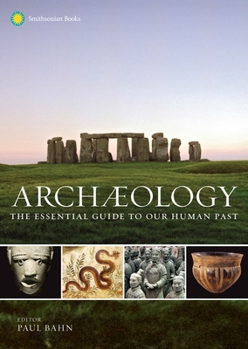
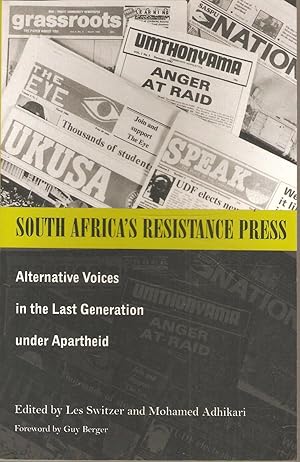
Narrative non-fiction, often termed ‘creative non-fiction,’ occupies a unique space. It utilizes the storytelling techniques of a novel but adheres strictly to the documented record. When reading a biography or a historical monograph, the reader is engaging with an author’s interpretation of evidence—letters, diaries, government records, and archaeological findings. The primary value of this genre is accuracy. The reader can trust that the events described actually occurred, provided the author is reputable. This is the ideal choice for those who wish to understand the systemic causes of a war, the specific political climate of a dynasty, or the factual timeline of a revolution without the intrusion of invented dialogue or imagined subplots.
2. The Emotional Immersion of Historical Fiction
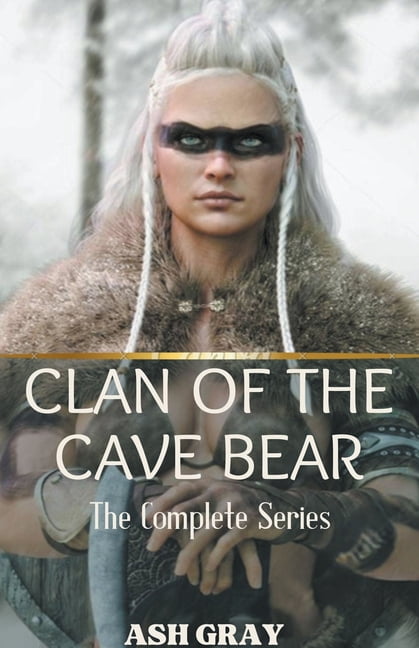
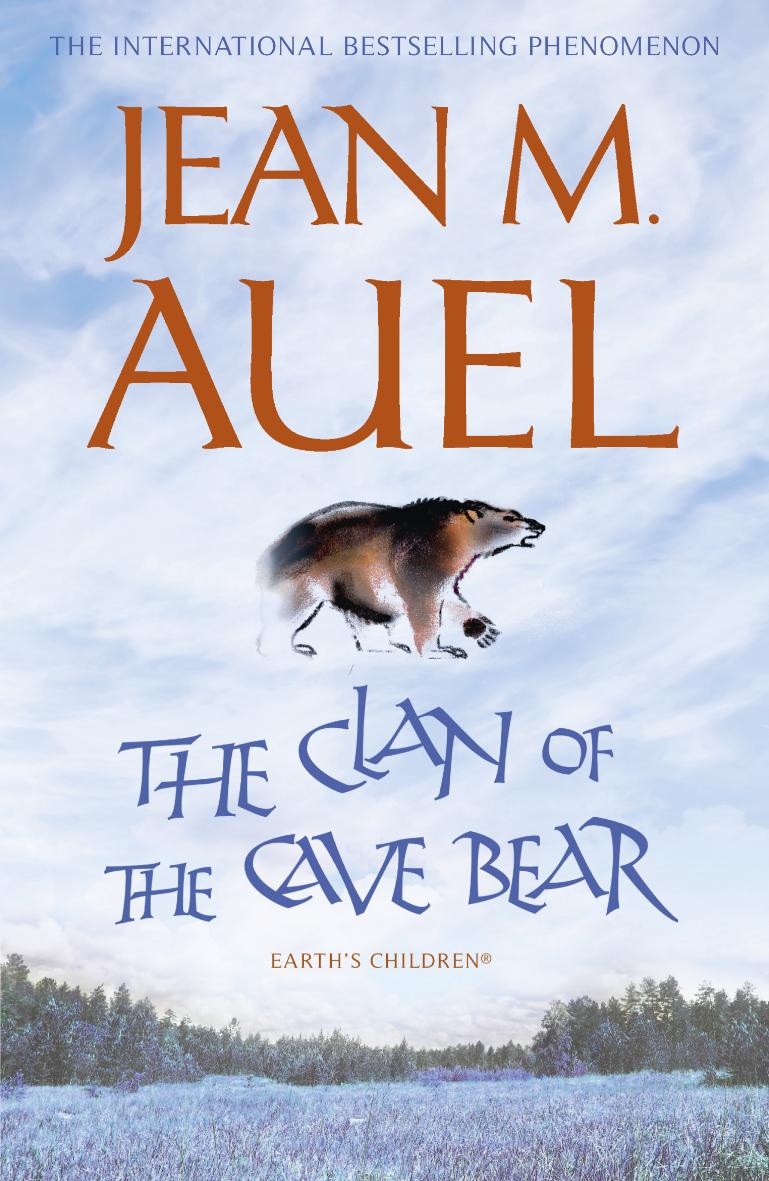
Historical fiction uses the past as a backdrop for a constructed narrative. While the best examples of the genre are meticulously researched, they prioritize the human condition over a chronological checklist of events. By inventing characters or placing real historical figures in imagined conversations, fiction allows a reader to experience the sensory details of the past—the smell of a Victorian street, the anxiety of a soldier in the trenches of WWI, or the social pressures of the Heian court in Japan. This approach provides a psychological truth that non-fiction often misses, allowing the reader to empathize with the motivations and internal struggles of individuals who are otherwise reduced to names and dates in a textbook.
3. The Hybrid Approach: Biographical Novels
Between the two poles lies the biographical novel. This format takes a real historical figure and dramatizes their life. Unlike a standard biography, which may spend chapters analyzing tax records or diplomatic cables, the biographical novel focuses on the internal life of the subject. It fills the ‘gaps’ in the historical record with plausible speculation. For readers, this serves as a bridge; it provides a gateway into a specific person’s life through an engaging plot, often sparking a deeper interest that leads the reader toward non-fiction sources for further verification. It is an exercise in ‘informed imagination.’
4. Evaluating Source Reliability and Bias
A critical component of choosing between these genres is the understanding of bias. In non-fiction, bias manifests as a perspective or an ideological lens through which the historian views the evidence (historiography). In fiction, bias is an inherent part of the art; the author chooses which parts of history to highlight and which to omit to serve the story’s theme. A reader seeking objective truth must lean toward peer-reviewed non-fiction. However, a reader seeking to understand the social mores and cultural atmosphere of an era may find a well-researched novel more revealing, as it synthesizes thousands of small, factual details into a cohesive lived experience.
5. Learning Objectives: Fact-Finding vs. Perspective-Taking
The decision of what to read should be guided by the desired outcome. If the objective is ‘fact-finding’—such as preparing for a debate, writing a research paper, or gaining a technical understanding of the Industrial Revolution—non-fiction is the only viable option. Conversely, if the objective is ‘perspective-taking’—understanding how it felt to be a marginalized person in the 19th century or the mental toll of leadership during a crisis—historical fiction is often more effective. Fiction can simulate the uncertainty of the past, whereas non-fiction describes the past with the benefit of hindsight, knowing exactly how the story ends.
Conclusion
Ultimately, historical fiction and non-fiction are not competitors but complements. Non-fiction provides the skeleton of history—the dates, the structures, and the proven facts. Historical fiction provides the flesh and blood, breathing life into the cold data of the archives. To truly master a period of history, the most sophisticated approach is to read both: using non-fiction to establish a factual foundation and fiction to explore the emotional and social nuances of the human experience within that timeframe.
FAQ
Can historical fiction be used to learn history?
Yes, but with caution. It can provide a general sense of the atmosphere and key events, but specific facts should be verified with non-fiction sources as authors may alter timelines for plot purposes.
What is 'Creative Non-Fiction'?
It is a genre that uses literary styles and techniques to create factual narratives, such as memoirs or long-form journalism, without inventing events.
Which is harder to write?
Both present different challenges; non-fiction requires rigorous verification and synthesis of data, while historical fiction requires deep research combined with creative storytelling and characterization.
Leave a Reply