Short Answer
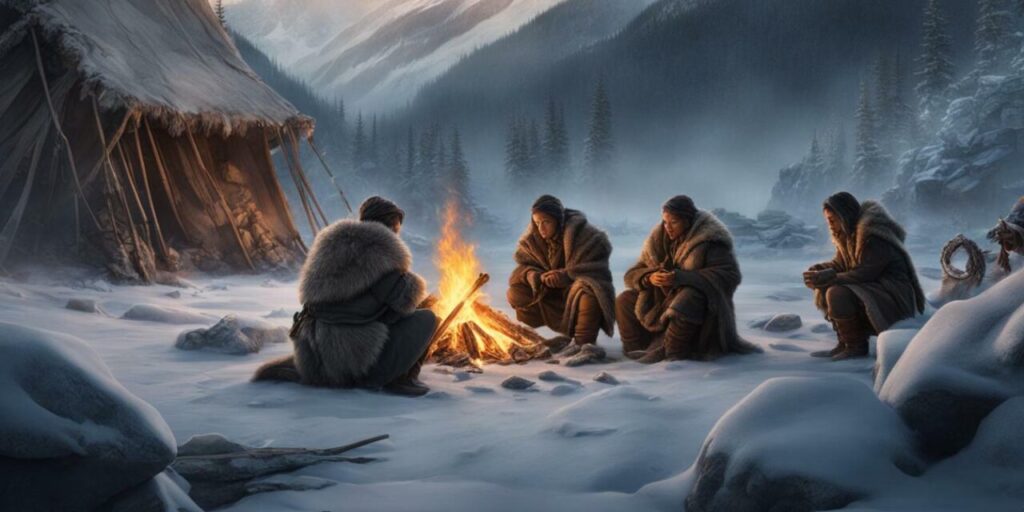
Life 20,000 years ago during the last glacial maximum embodies a striking tableau of human resilience and adaptability. At a time when gigantic ice sheets extended over vast territories, affecting climate, biodiversity, and human habitation, the survival strategies of early Homo sapiens illustrate an intricate interplay between ingenuity and environmental challenges. This examination delves into multiple facets of human existence during this epoch, reflecting on social structures, subsistence practices, and the profound impact of the Ice Age on cultural evolution.
During the Pleistocene epoch, the earth experienced oscillating climatic conditions that significantly shaped human life. The last glacial maximum peaked around 20,000 years ago, wherein frigid temperatures and snowfall instigated severe ecological transformations across continents. The megafauna that roamed the earth, from woolly mammoths to saber-toothed cats, heavily influenced human subsistence. Survival was predicated not merely on survivalism, but also on the acumen to engage with and adapt to the shifting landscapes.
One cannot underscore enough the mastery of tool-making that characterized this period. Stone tools, including blades, points, and burins, were meticulously crafted for hunting and processing materials. The development of specialized hunting weapons such as the atlatl (spear-thrower) revolutionized foraging methods, allowing humans to capture larger game from a safer distance. The adaptation of lithic technology is indicative of cognitive evolution; it reflects not only the necessity of survival but also a burgeoning intellectual creativity.
Moreover, the social fabric of human groups during this era was undoubtedly pivotal. Early Homo sapiens likely formed small bands or tribes, which fostered cooperation and shared resources. These social units would have been essential for survival, facilitating collective hunting expeditions and the sharing of knowledge and techniques for food preparation and tool-making. The cooperation seen in these small groups underscores the importance of social connectivity in not only surviving but thriving amid harsh climates.
The resource acquisition strategies during this time were multifaceted. While hunting large herbivores constituted a significant part of the diet, the gathering of plant-based resources played an equally critical role. Substantial evidence points to foraging practices that involved an extensive knowledge of edible plant species, fauna behavior, and seasonal variability. This blend of hunting and gathering exemplified an adaptability that allowed early humans to exploit various ecological niches.
Archaeological findings indicate the existence of complex sites, including habitation structures that reveal the extent of human ingenuity. The construction of semi-permanent shelters made from wood, stone, and animal hides provided crucial protection against the elements. Locations near freshwater sources and abundant game were often chosen for settlements, suggesting an acute awareness of environmental cues and the interplay of resource availability with human habitation.
The cultural implications of surviving during the Ice Age cannot be overlooked. Symbolic expression began to flourish during this timeframe, as evidenced by cave art and the creation of personal adornments from bone, shell, and stone. These artifacts symbolize not only aesthetic pursuits but also the cognitive capacity for abstract thinking and spiritual beliefs. The creation of art demonstrates a form of social cohesion and communication that transcended mere survival, encompassing a broader spectrum of human experience and identity.
Furthermore, the reliance on diverse ecosystems contributed significantly to the human survival narrative. As the Ice Age waned, populations began to migrate and adapt to changing climates. This gradual transition involved complex interactions between different groups, leading to the diffusion of technologies, ideas, and cultural practices. Such movements highlight the dynamic nature of human populations and their resilience in the face of climatic adversity.
Despite these remarkable adaptations, the Ice Age posed insurmountable challenges. The extreme cold and scarcity of resources led to periods of hardship, compelling humans to innovate continuously. The development of communal lifestyles, collaborative hunting strategies, and the establishment of rituals surrounding hunting expeditions were integral in maintaining social cohesion during such tumultuous times. These strategies fostered a sense of purpose and belonging, which were critical for group survival.
As the Ice Age receded and landscapes transformed, early humans underwent a significant evolution in their subsistence patterns. The resultant warmer climates led to a diversification of flora and fauna, creating opportunities for the domestication of plants and animals. This eventual shift from nomadic hunter-gatherer life to sedentary agricultural societies marked a turning point in human history, ultimately laying the groundwork for civilization as we know it today.
The fascination with life 20,000 years ago extends beyond mere survival. It encapsulates a testament to the enduring spirit of Homo sapiens. The interplay of environmental hardship, social cooperation, and cultural expression underscores not only the adaptive strategies necessary for survival but also the profound intellectual developments that emerged during this period. The legacy of these early humans continues to resonate through contemporary societies, providing insights into the intricate tapestry of human history.
Ultimately, the inquiry into how humans survived the Ice Age reveals an intricate narrative of survival and innovation, shaped by the relentless forces of nature and the indomitable will of humanity. Such reflections evoke a deeper understanding of the resilience inherent in the human experience, encapsulating a pivotal epoch that set the stage for future generations.
FAQ
What was life like for humans 20,000 years ago during the Ice Age?
Life 20,000 years ago was characterized by harsh climatic conditions during the last glacial maximum. Humans survived through advanced tool-making, social cooperation, hunting large animals, gathering plant resources, and adapting to changing environments.
How did early humans adapt to the Ice Age environment?
Early humans adapted by developing specialized stone tools, forming cooperative social groups, building semi-permanent shelters, and diversifying their diets through hunting and gathering.
What role did social structures play in human survival during the Ice Age?
Small bands or tribes fostered cooperation necessary for collective hunting, sharing resources, and passing down knowledge, which were critical for survival in the extreme Ice Age conditions.
What evidence exists of cultural expression during the Ice Age?
Cave art, personal adornments made from bone, shell, and stone, and symbolic artifacts indicate early humans engaged in abstract thinking and social communication beyond mere survival.
How did the end of the Ice Age affect human societies?
As the Ice Age ended, warmer climates allowed for a diversification of flora and fauna, enabling domestication of plants and animals and the transition from nomadic hunter-gatherers to sedentary agricultural societies.




Leave a Reply