Short Answer
Stereotypes are ubiquitous in society, ingrained in our collective psyche, and woven into the fabric of everyday interactions. They serve as cognitive shortcuts, allowing individuals to make swift judgments based on superficial characteristics rather than engaging with the complexities that define individual identities. This phenomenon, while seemingly innocuous at first glance, often harbors a deeper significance that merits a thorough exploration.
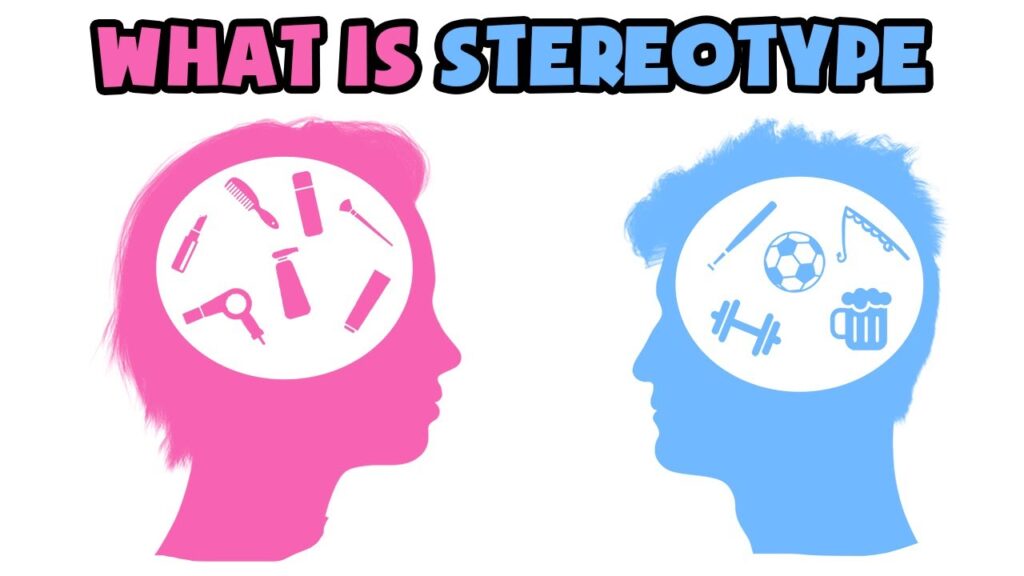
To understand the essence of stereotypes, it is crucial to delineate what they entail. Stereotypes can be defined as oversimplified and generalized beliefs about a particular group of people, usually based on race, gender, occupation, or social status. These preconceived notions often arise from cultural narratives, historical contexts, and societal norms that perpetuate a specific image or belief about a demographic group. Consequently, stereotypes can manifest in various forms, from humorous caricatures in popular culture to harmful, deep-rooted biases that shape perceptions and attitudes.
A common observation regarding stereotypes is their persistent nature. They tend to linger in collective consciousness, sometimes despite clear evidence to the contrary. For example, the stereotype of the “bad driver” often attributed to certain ethnic groups can persist even when statistically, individuals from these groups may exhibit driving skills comparable to the general population. This persistence raises questions regarding the underlying reasons for such fascination with stereotypes. Why do they continue to hold sway in the face of contradictory experiences?
One significant factor contributing to the endurance of stereotypes is cognitive dissonance. Human beings have an inherent tendency to seek consistency in their beliefs and perceptions. When confronted with information that contradicts a longstanding stereotype, one may experience discomfort, leading to cognitive dissonance. As a coping mechanism, individuals may choose to discount the new information, thereby reinforcing the stereotype rather than abandoning it. This is particularly evident in social contexts where group identity plays a pivotal role. Individuals may cling to stereotypes as a means of preserving in-group cohesion and reinforcing a shared understanding of the world.
Additionally, the fascination with stereotypes can be partly attributed to their utility in social navigation. In an increasingly complex world, individuals often rely on simplifications to make sense of their environments. Stereotypes provide a framework through which to interpret social cues, navigate interpersonal interactions, and establish rapport with others. For instance, the stereotype that “all introverts are socially awkward” may lead individuals to make assumptions about the behavior and preferences of quieter people, thereby allowing for smoother social exchanges within certain contexts.
Furthermore, the media plays an indelible role in shaping and perpetuating stereotypes. From television shows and movies to advertisements and news coverage, representations of different groups often contribute to the reinforcement of cultural stereotypes. The entertainment industry, in particular, frequently resorts to clichéd portrayals, thus perpetuating narratives that may not accurately reflect reality. The portrayal of women in traditionally subordinate roles or the depiction of men as overly dominant epitomizes how media can solidify societal norms and expectations.
One must also consider the implications of these stereotypes on individuals’ lived experiences. Stereotyping can lead to significant psychological effects, influencing self-perception and behavior. The internalization of societal stereotypes may result in feelings of inadequacy, anxiety, or reduced self-esteem among individuals belonging to marginalized groups. This phenomenon, known as stereotype threat, occurs when individuals are at risk of conforming to negative stereotypes associated with their identity. This can create a debilitating cycle, where the pressure to disprove stereotypes may hinder performance and engagement within educational and professional settings.
Moreover, stereotypes often manifest in discriminatory practices that have real-world consequences. Stereotyping can extend beyond mere perceptions to influence hiring practices, law enforcement, and educational opportunities. The impact of systemic stereotypes can create barriers to success and limit individuals’ access to resources and opportunities. For example, studies have shown that individuals with “ethnic sounding” names are less likely to receive callbacks for job interviews, highlighting how stereotypes can translate into tangible inequities in the job market.
Despite the pervasive nature of stereotypes, there is also a significant public discourse aimed at dismantling these harmful beliefs. Advocacy for diversity and inclusion has gained momentum, with organizations prioritizing nuanced portrayals of individuals from varied backgrounds and challenging stereotypical narratives. Education and awareness initiatives encourage critical thinking about the stereotypes that permeate society, urging individuals to question their biases and assumptions. Activism plays a pivotal role in fostering an environment where individuals are valued for their unique identities rather than being pigeonholed into preconceived notions.
In conclusion, while stereotypes may offer a convenient cognitive shortcut, they often obscure the rich tapestry of human experience. They resonate deeply within the human consciousness, supported by cognitive biases, societal structures, and cultural representations. Understanding the dimensions of stereotypes allows for a more comprehensive perspective on societal dynamics. By fostering awareness, engaging in dialogue, and challenging entrenched beliefs, there is potential for a more inclusive and egalitarian society where individuals are celebrated for their unique attributes rather than constrained by generalized perceptions. The journey toward dismantling stereotypes requires collective effort, empathy, and a commitment to understanding the complexities of identity.
FAQ
What is a stereotype?
A stereotype is an oversimplified and generalized belief about a group, often based on characteristics like race, gender, or occupation.
Why do stereotypes persist?
They persist due to cognitive dissonance and their utility as mental shortcuts for understanding social groups.
How do stereotypes affect individuals?
They can negatively impact self-esteem and lead to stereotype threat, causing anxiety and reduced performance.
What role does media play in stereotypes?
Media reinforces stereotypes through repeated clichéd portrayals across entertainment and news.
How can stereotypes lead to discrimination?
They influence systemic practices like hiring and law enforcement, leading to unequal treatment.
Leave a Reply